HotWax Commerce gives customer service teams the same live order, fulfillment, and return data operations runs on.
Representatives can explain what happened, see what can still change, and resolve the request in the first conversation.
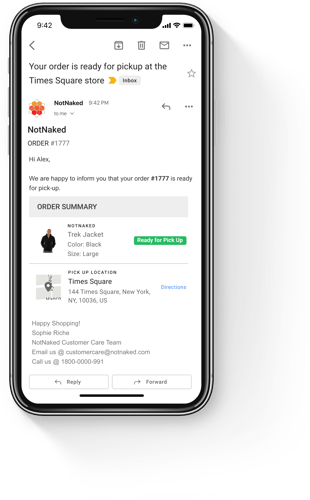
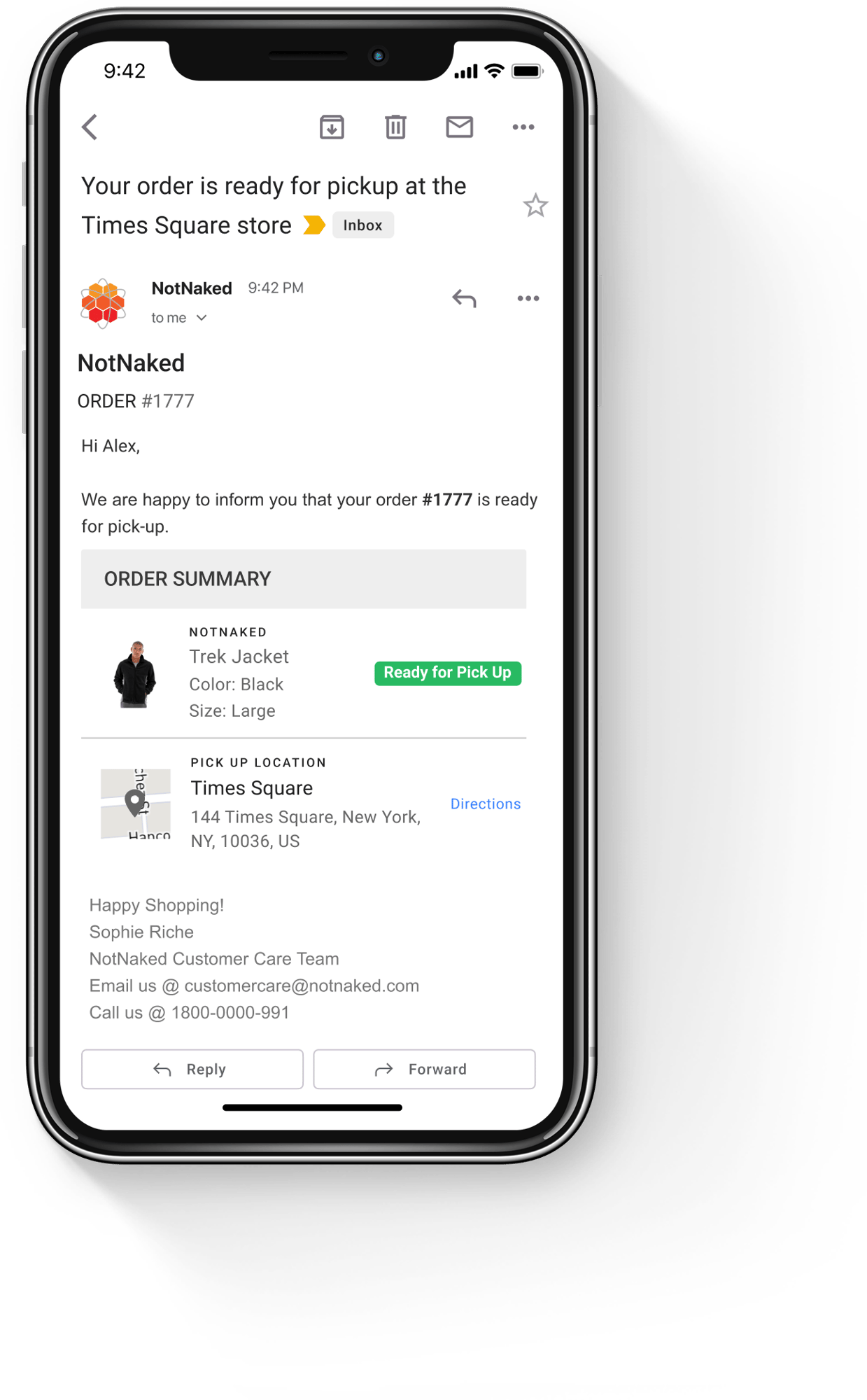
Shipment, delivery, exception, and return updates reach customers by email or SMS through your marketing platform, such as Klaviyo, with a link to the latest order status. Fewer WISMO calls reach your team, and the ones that do are about real problems.
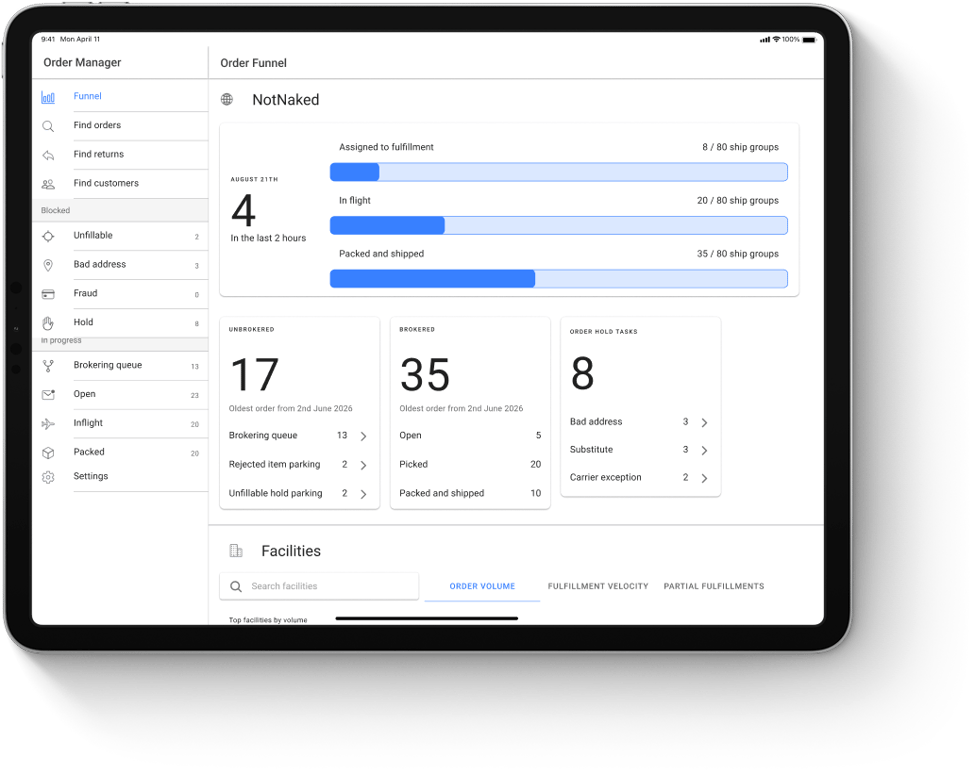
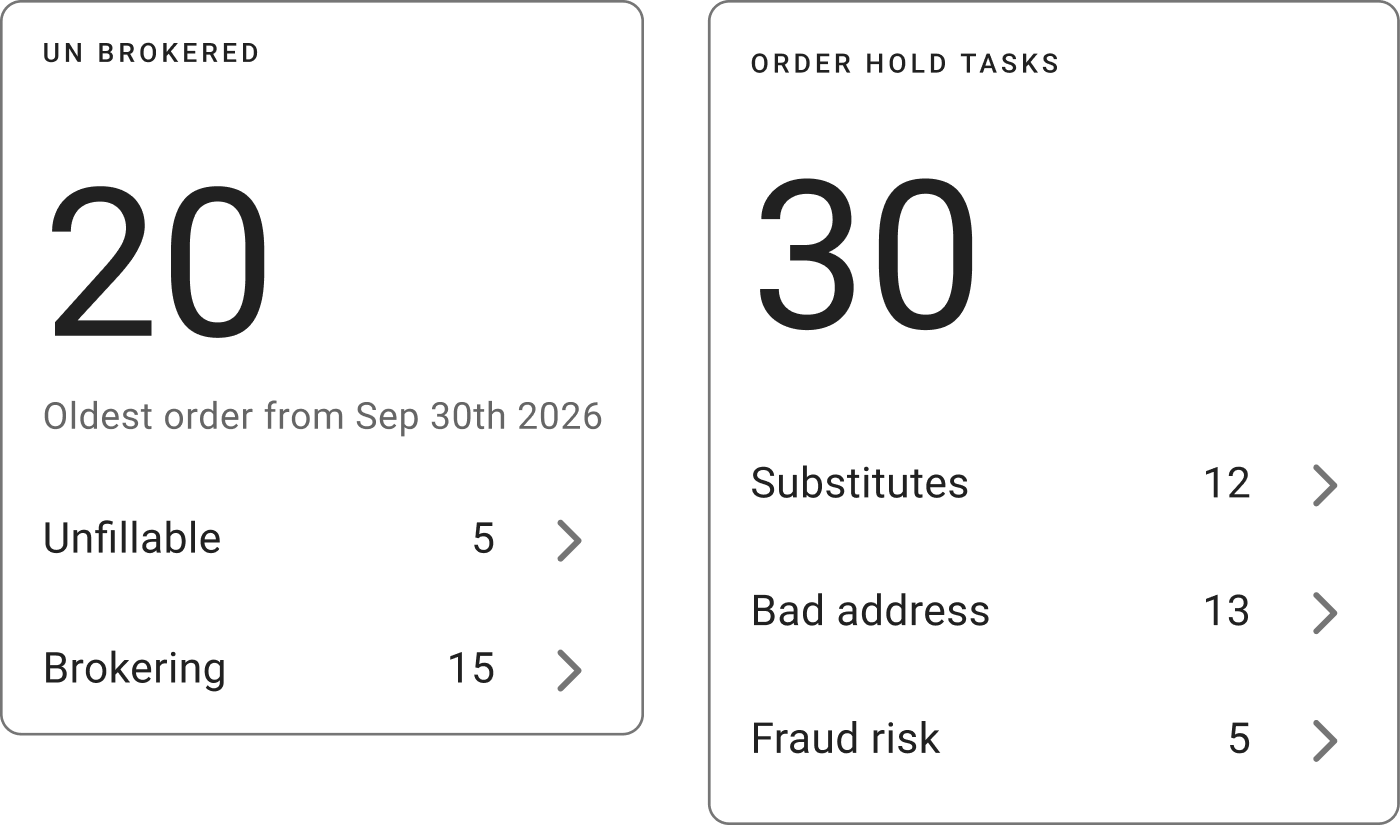
When a store can't fulfill an item, HotWax reroutes it to another location with stock. When no location has it yet, the order waits and retries as inventory arrives instead of being cancelled. Your team sees only the orders that need a person's decision.
Customer 360 brings contact details, orders, returns, communications, relationships, and open tasks into one record, while the conversation stays in your helpdesk, such as Gorgias or Kustomer.
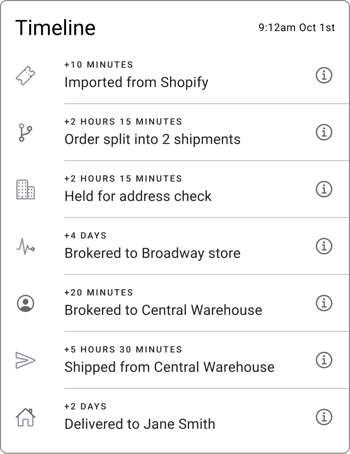
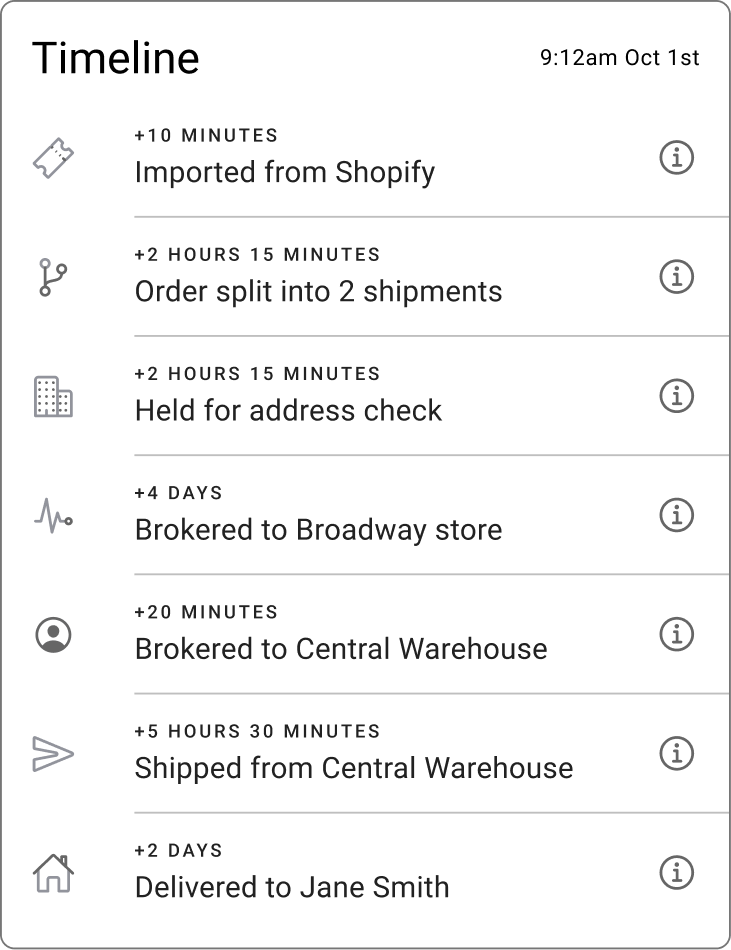
Every order has a timeline that shows approval, routing decisions, facility changes, holds, fulfillment, returns, and exchanges as they happened. Representatives know where work stopped before they promise a next step.
Authorized users can correct the address, change the shipping method, edit gift messages and handling instructions, adjust ship-by and ship-after dates, cancel an item or the whole order, or offer an appeasement.
Safeguards block actions such as parking a shipment once fulfillment has started, so no one promises a change the store or warehouse can't make.
When an item can't be fulfilled and the customer needs to choose, a swap task shows the original item, suggested replacements, inventory by location, and pricing.
The representative swaps the item or cancels only that one, and the rest of the order keeps moving.
Representatives create returns and exchanges against the original order, choosing items, a return reason, and any replacement.
Each return keeps its status, refund, restock decision, and NetSuite sync status, so the team sees what has arrived and what the customer is still waiting for.
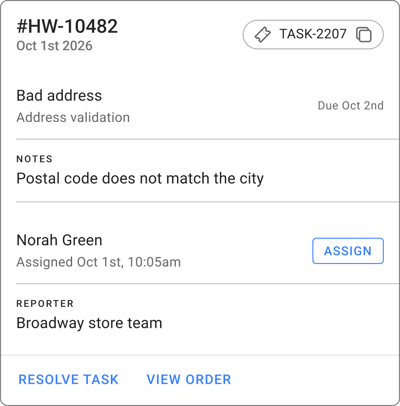
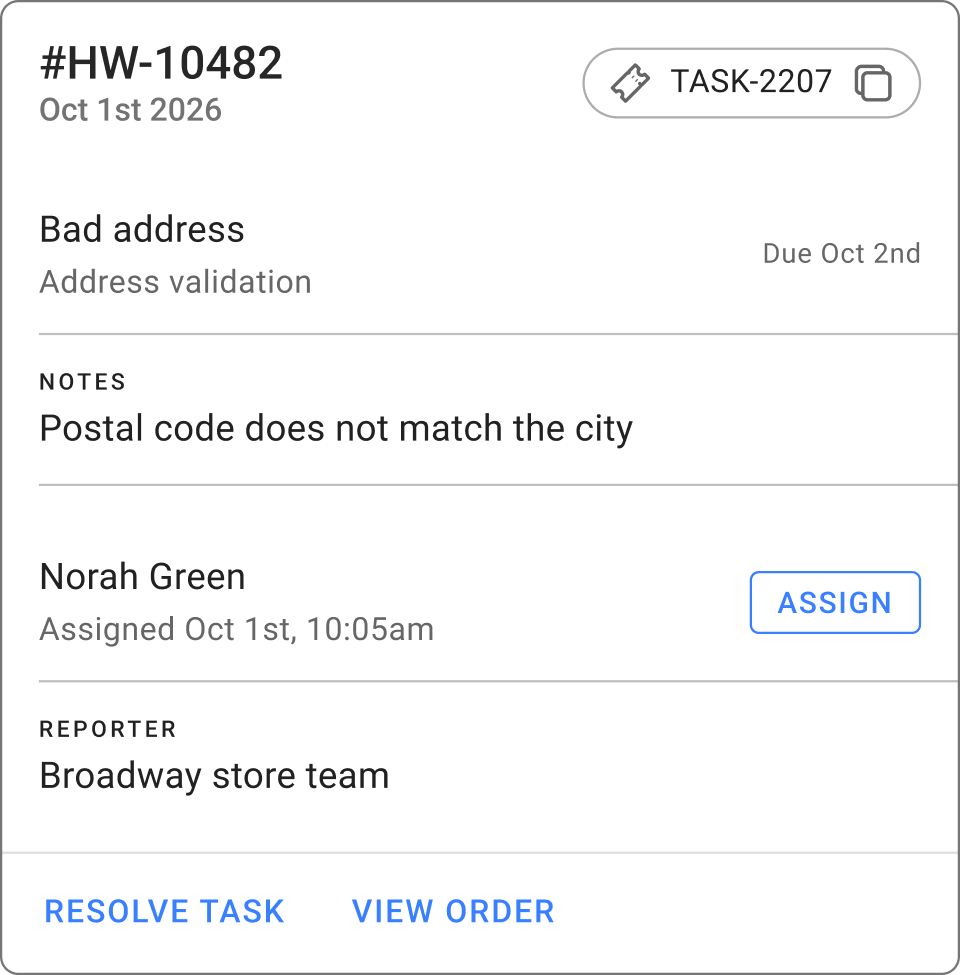
Order tasks track each issue, such as a bad address, a swap, a fraud review, or a hold, with its status, assignee, reporter, order and customer context, and resolution notes. Whoever picks it up next sees what was already checked.
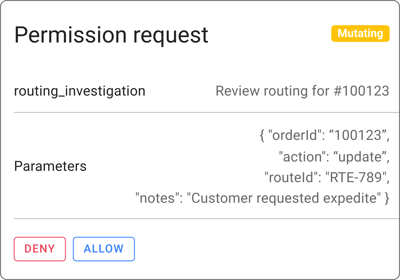
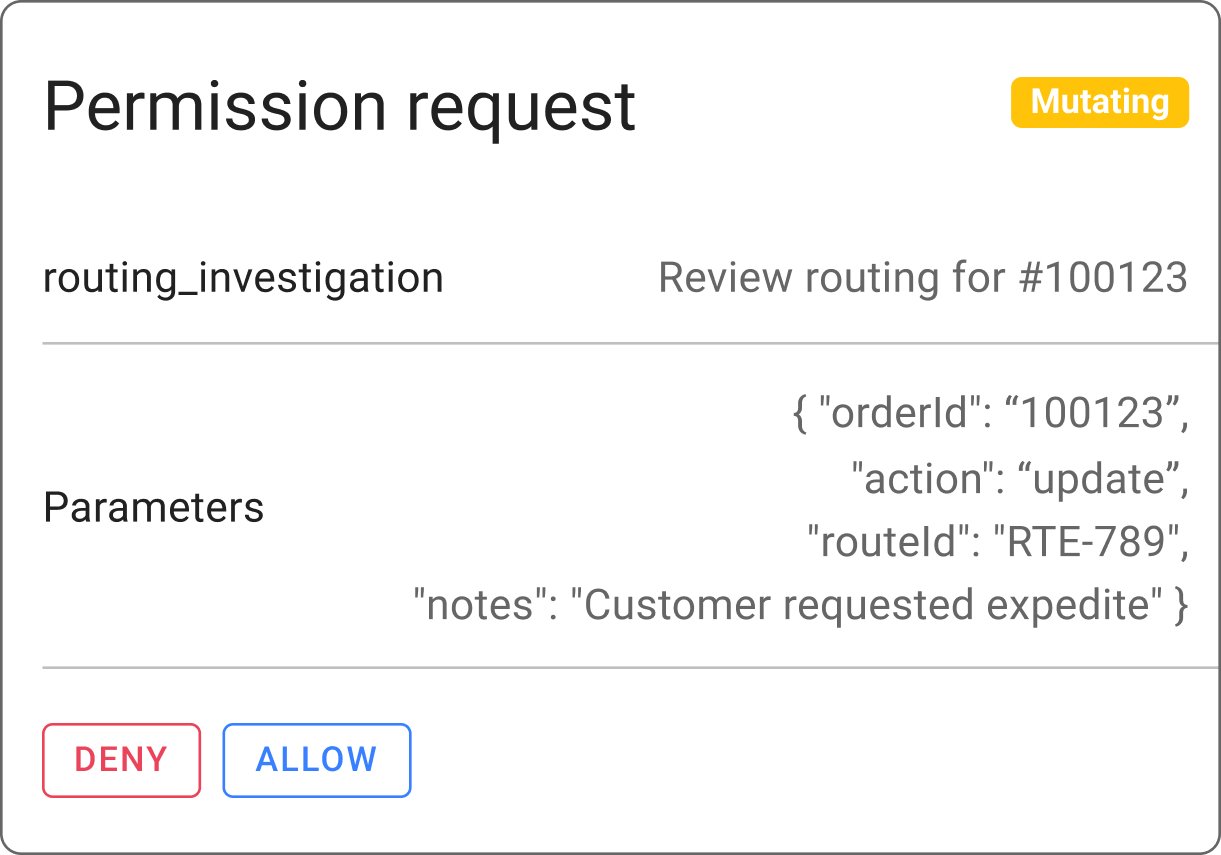
Through the HotWax MCP server, AI agents read live order, fulfillment, task, and return data to draft a grounded answer and suggest an approved next step. You decide which tools each agent can use and which actions need a person's approval.
Prevent the call when you can, resolve it in the first conversation when you can't, and save more orders from avoidable cancellations.
Retail customer service is the help a retailer gives shoppers before and after a purchase, from order status and delivery questions to returns and exchanges. Omnichannel retail customer service means a representative can answer those questions for orders from any channel, using one live view of the order, its fulfillment, and its returns.
HotWax sends shipment, delivery, exception, and return updates to the retailer's marketing platform, so customers hear about their order before they call. When they do call, the representative sees the live status and full history in one place.
Yes, while the order's stage and the user's permissions allow it. Authorized users can change the address, shipping method, gift message, handling instructions, and ship dates, cancel an item or the whole order, or offer an appeasement.
If a store can't fulfill an item, HotWax reroutes it automatically, and items no location has yet wait and retry as stock arrives. When the customer needs to choose, the order gets a swap task with suggested replacements, inventory by location, and pricing.
No. HotWax integrates with helpdesks such as Gorgias and Kustomer and with returns platforms, so conversations stay in your helpdesk. Representatives can also create returns and exchanges directly against the original order. See all integrations.
Through the HotWax MCP server, AI agents read live order, fulfillment, task, and return data to answer a question and suggest a next step. Retailers decide which tools each agent can use and which actions need human approval.